What to Do If Your Pet Gets Stung by a Bee?
When busy bees and curious dogs meet, it is often Bees 1, Dogs 0. Chances are that your dog gets stung on the muzzle or nose – ouch!
Let’s not forget our cats. Even your curious indoor-only cat can get stung on the paw while pursuing a wayward bee that slips into your home.
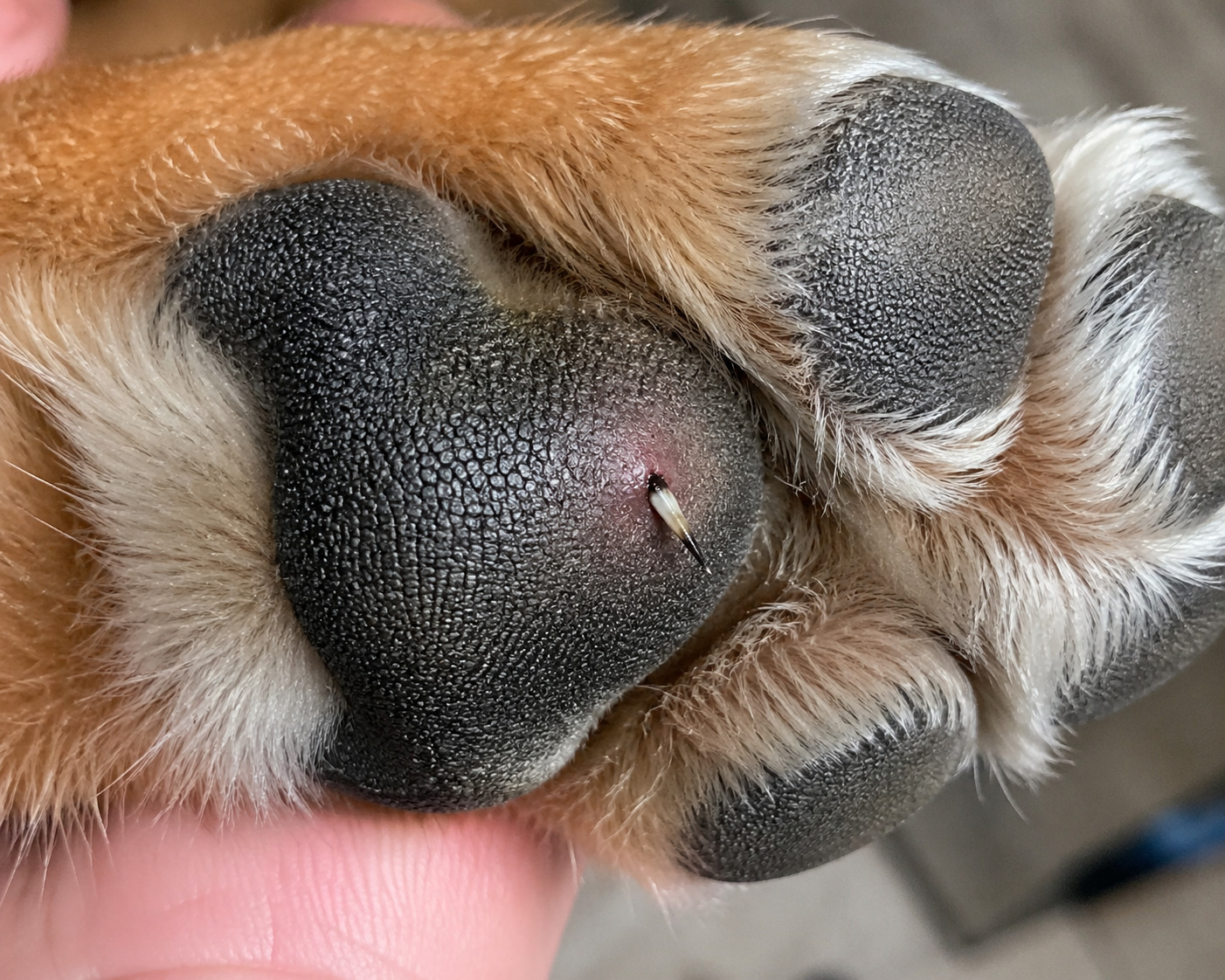
If your pet gets stung and is breathing normally, do the following:
Inspect the sting spot. It will be tender and a little puffy.
Look to see if the stinger is still lodged in the skin.
If there is no stinger, place a cool, wet washcloth on the sting spot for pain relief. Or dab a paste of baking soda and water on the sting site. Never apply ice cubes!
If there is a stinger, scrape it by using the edge of your credit card.
Do not use tweezers or your fingernails to try to remove the stinger because you risk rupturing the venom sac and spreading toxins in your pet’s body.
But some dogs and cats – like some people – are allergic to bee stings. They can go into anaphylactic shock and even die if they don’t receive immediate care.
Warning Signs of An Allergic Reaction
Vomiting
Gums turn pale
Difficulty breathing
Drooling
Diarrhea
Collapse or seizures
This is where your pet first aid training comes to the rescue. In my Pet First Aid 4U classes, I teach students to be prepared.
Take These Action Step
Put your phone on speaker and report your pet’s symptoms immediately to your veterinarian.
Follow the vet’s instructions. He or she may instruct you to administer an over-the-counter antihistamine, such as Benadryl. It is a temporary measure to keep the airway open.
Always have in your home the liquid gel version of Benadryl – not the pill form. It is hard to give a pill to a pet whose throat is closing.
Always tape a safety pin to the cover of the Benadryl box. This way you can poke the gel and easily drip the antihistamine into the side of your pet’s mouth.
Important note! Make sure the antihistamine contains one and only one ingredient: diphenhydramine. Do not give any generic versions that contain the artificial sweetener, xylitol that is dangerous to pets. Do not give a version that states is also acts as a pain reducer because it contains another dangerous ingredient to dogs and cats – acetaminophen.
And that’s the buzz on bee safety for your pet!
Final Tip:
Show your cat and dog how much you care for them by enrolling in one of our Pet First Aid 4U classes. We offer three options for you to earn veterinarian-approved two-year certificates in our pet first aid/CPR programs:
In-person classes primarily aimed at pet professionals and first responders.
Interactive via ZOOM classes offered monthly and on demand
Self-paced online classes for those wishing to learn anytime, anywhere.
Pick the best option for you and sign up today!
About the Author:
Arden Moore, founder of Pet First Aid 4 U, is a Master Pet First Aid/CPR Instructor who teaches veterinarian-approved, hands-on safety courses alongside her teaching team of Kona (dog) and Casey (cat). Known as “The Pet First Aid & Safety Coach,” Arden is also a nationally recognized behavior consultant, bestselling author of over 25 pet books, and the award-winning host of the “Oh Behave!” podcast. A Fear Free Certified Professional,she brings decades of pet expertise to all her endeavors — with a mission to help pets live safer, longer and healthier lives.