In my Pet First Aid 4U classes, I alert my students who are pet professionals and pet parents that they need one valuable item to protect their pets: a well-stocked pet first aid kit. This kit can help you respond to minor injuries, stabilize your dog or cat while arranging veterinary care, and avoid wasting precious time during an emergency.
I highly recommend that you keep a pet first aid kit at home plus another in your vehicle.
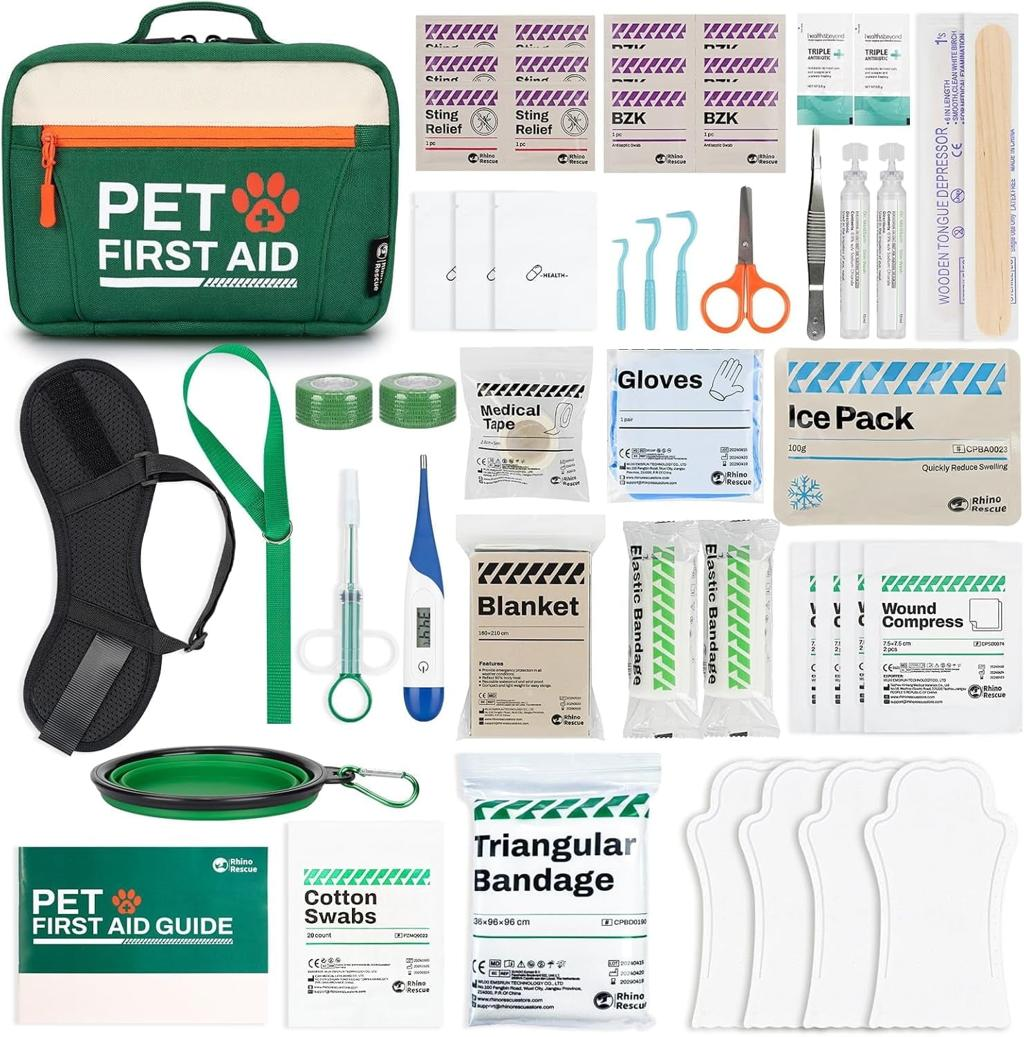
Let me run down some must-have items in a pet first aid kit:
• Sterile gauze pads and rolls, plus nonstick sterile wound pads
• Self-adhering bandage wrap
• Medical adhesive tape
• Clean towels and disposable gloves
• Blunt-tip scissors, tick-removal tool and tweezers
• Saline wound wash
• Digital thermometer designed for pets
• Blunt-tip forceps
• Flashlight
• Instant cold pack, wrapped before use
• Emergency blanket, absorbent pads and paper towels
• Spare leash and slip lead
• Sterile saline eye rinse
• Water and a collapsible bowl
• Your pet’s medical records, medication list, plus a written list of your pet’s allergies and health conditions
• Emergency veterinarian and poison-control numbers
• Recent pet photo and identification details
Tap Into Your Inner Muttgyver to Aid Pets
So, what do you do if you don’t have a pet first aid kit handy? You need to think and act like a Muttgyver. I created the Muttgyver approach to pet safety about 15 years ago. It is all about using creativity and ordinary items to help an injured pet when your first aid kit isn't nearby.
Here are practical examples:
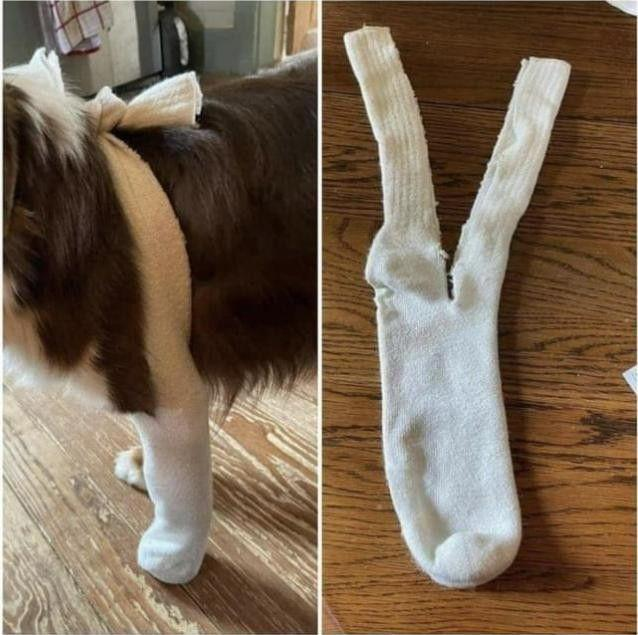
1. A sock for an injured paw
If a dog has a minor paw wound, use clean water or saline to rinse away surface dirt. Apply gentle, continuous pressure with clean gauze to control bleeding. A clean sock can temporarily protect the paw during transport, but don't wrap it tightly or leave it on a wound unattended.
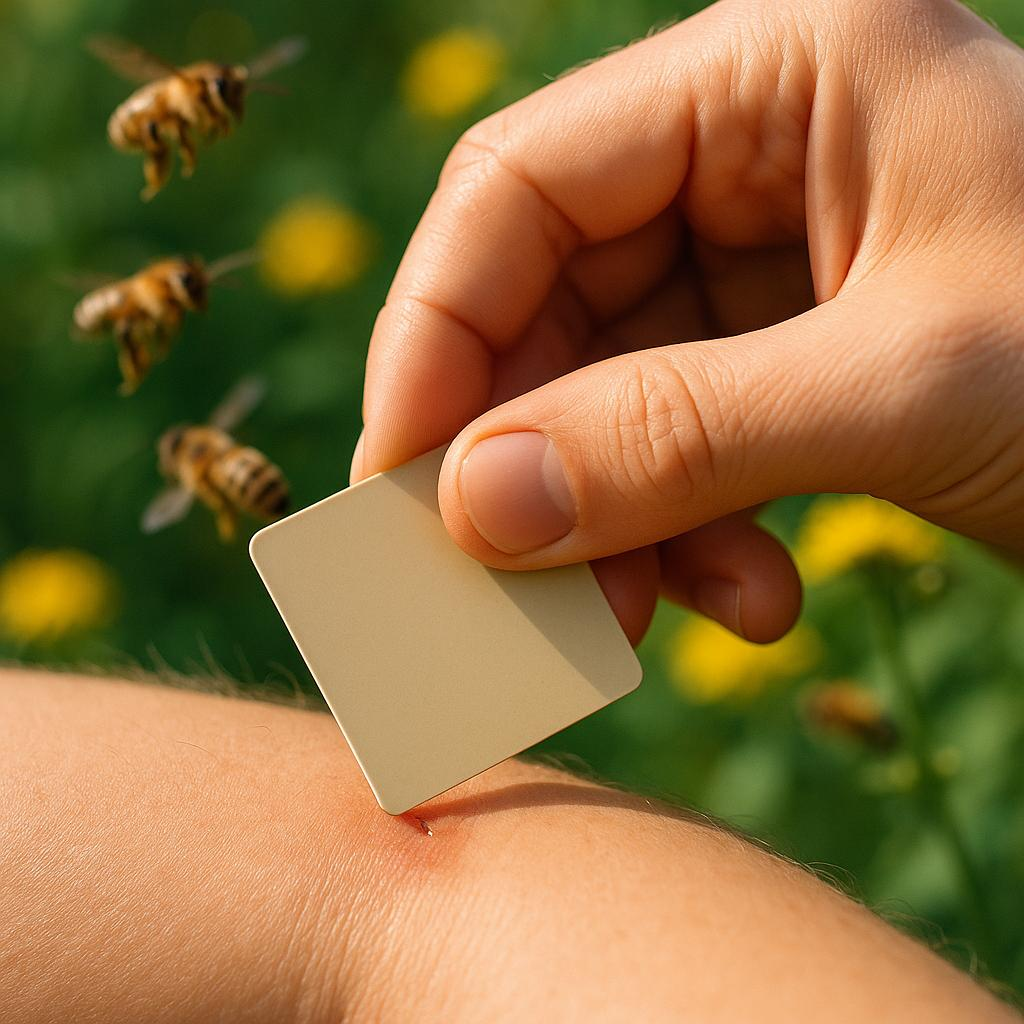
2. A credit card for a bee stinger
If a bee leaves a visible stinger, gently scrape it sideways with the edge of a card. Avoid squeezing the stinger. Seek emergency veterinary care if your pet develops facial swelling, breathing difficulty, weakness or collapse.
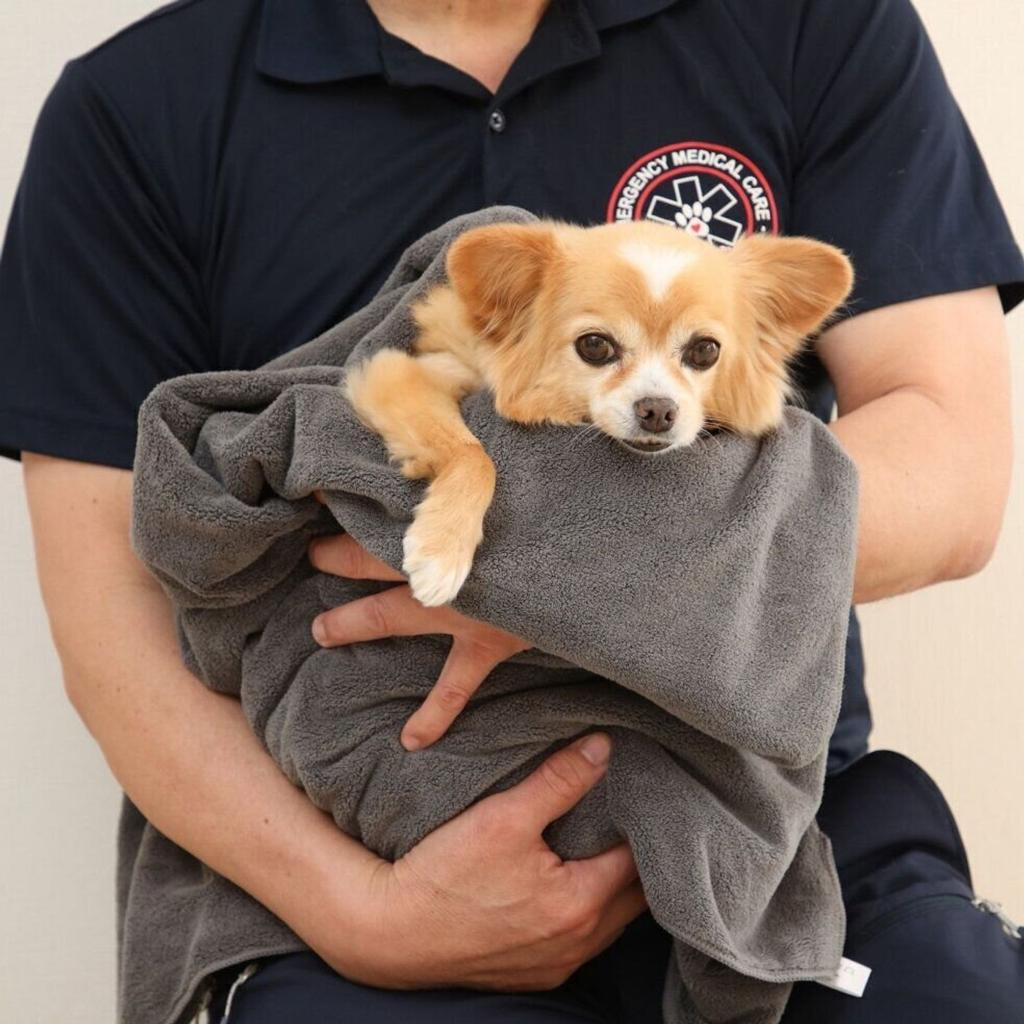
3. A towel for support and transport
A bath towel can help support a weak or injured pet, provide warmth when appropriate and act as a safety barrier from teeth and claws. In our Pet First Aid 4U classes, we show two towel techniques to use on dogs and cats. Another option: wrapping an injured pet in a sweatshirt.

4. A spare leash for safe handling
A leash can help prevent a frightened, injured dog from running into danger. I teach some improvised restraint techniques on both dogs and cats. I also caution to never muzzle a pet who is vomiting, struggling to breathe, overheating or unconscious.
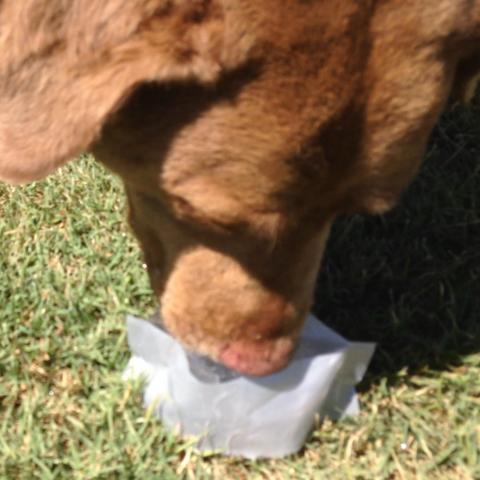
5. A spare poop bag as a temporary water bowl
A clean, unused plastic bag can hold water for a thirsty dog on a hike. Keep the bag away from the pet's mouth and discard it afterward. Never force water into a pet that is weak, choking or having difficulty breathing.

6. Craft sticks for an improvised splint
Popsicle sticks or similar rigid materials may help illustrate the idea of supporting an injured limb, but an incorrectly applied splint can worsen an injury or restrict circulation. Unless you've been trained, keep the limb as still as possible to avoid further injury and transport the pet to a veterinary clinic, calling ahead.
Three Muttgyver rules to remember:
Improvise to protect, not to experiment. Household items may provide temporary support, but they don't replace proper medical supplies.
Know what not to do. Don't apply ice directly to burns, put ointments or home remedies into wounds without veterinary guidance, or give medications without approval.
Get professional help early. Uncontrolled bleeding, suspected poisoning, breathing trouble, seizures, heatstroke, collapse and serious trauma require urgent veterinary attention.
Parting message:
Pet first aid is meant to stabilize, not replace, veterinary care. For serious injuries, poisoning, breathing difficulties or collapse, contact a veterinarian or emergency animal hospital immediately.
To all you pet parents and pet professionals who live anywhere in the world, we invite you to check out our four-legged Pet First Aid 4U teaching team of Pet Safety Cat Casey plus Pet Safety Dogs Kona and Nova 6 Toes. Please enroll in one of our classes as we make the learning practical and fun.
We offer three options for you to earn veterinarian-approved two-year certificates in our pet first aid/CPR programs:
In-person classes primarily aimed at pet professionals and first responders.
Interactive via ZOOM classes offered monthly and on demand
Self-paced online classes for those wishing to learn anytime, anywhere.
Pick the best option for you and sign up today!
About the Author:
Arden Moore, founder of Pet First Aid 4 U, is a Master Pet First Aid/CPR Instructor who teaches veterinarian-approved, hands-on safety courses alongside her teaching team of Kona (dog), Nova (dog) and Casey (cat). Known as “The Pet First Aid & Safety Coach™,” Arden is also a nationally recognized behavior consultant, bestselling author of over 25 pet books , and the award-winning host of the “Oh Behave!” podcast, a Fear Free Certified Professional, she brings decades of pet expertise to all her endeavors — with a mission to help pets live safer, longer and healthier lives.