Our dogs and cats can’t tell us when something is seriously wrong. They depend on us to recognize changes in their behavior, appearance and breathing that may signal a medical emergency. As I teach students in my pet first aid classes, knowing what to watch for can help you act quickly — and potentially save your pet’s life.
Let me run down 10 situations that signal a pet emergency and your need to seek immediate veterinary care:
1. Difficulty breathing
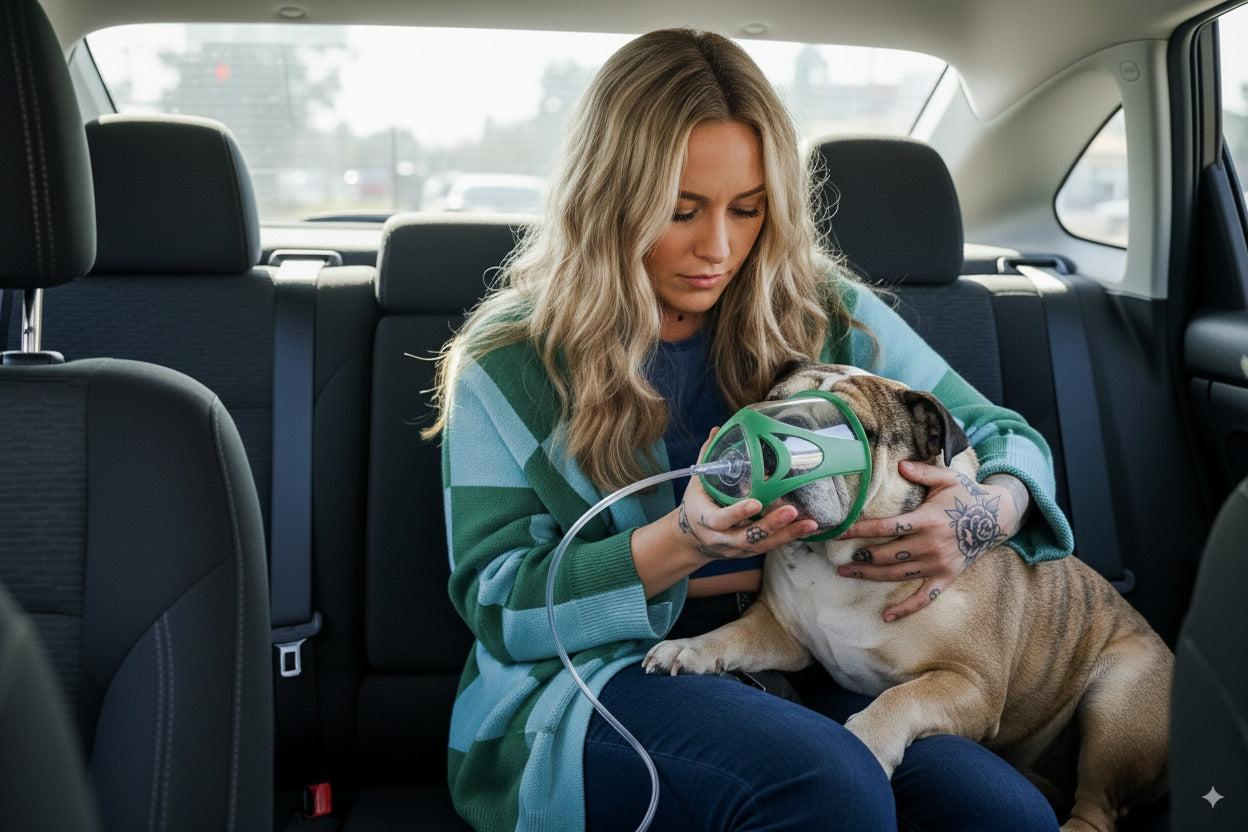
Gasping, labored breathing, choking, unusual breathing noises or blue, gray or purple gums can signal a life-threatening problem. Cats breathing with their mouths open are especially concerning.
What to do: Seek emergency veterinary care immediately. Keep your pet calm and avoid restricting his chest or neck.
2. Repeated vomiting or severe diarrhea

Repeated vomiting, profuse diarrhea, blood in vomit or stool, or these symptoms accompanied by weakness can indicate poisoning, an intestinal obstruction or another serious illness.
What to do: Contact your veterinarian promptly. Do not give human medications or force food or water.
3. A swollen belly or unsuccessful attempts to vomit
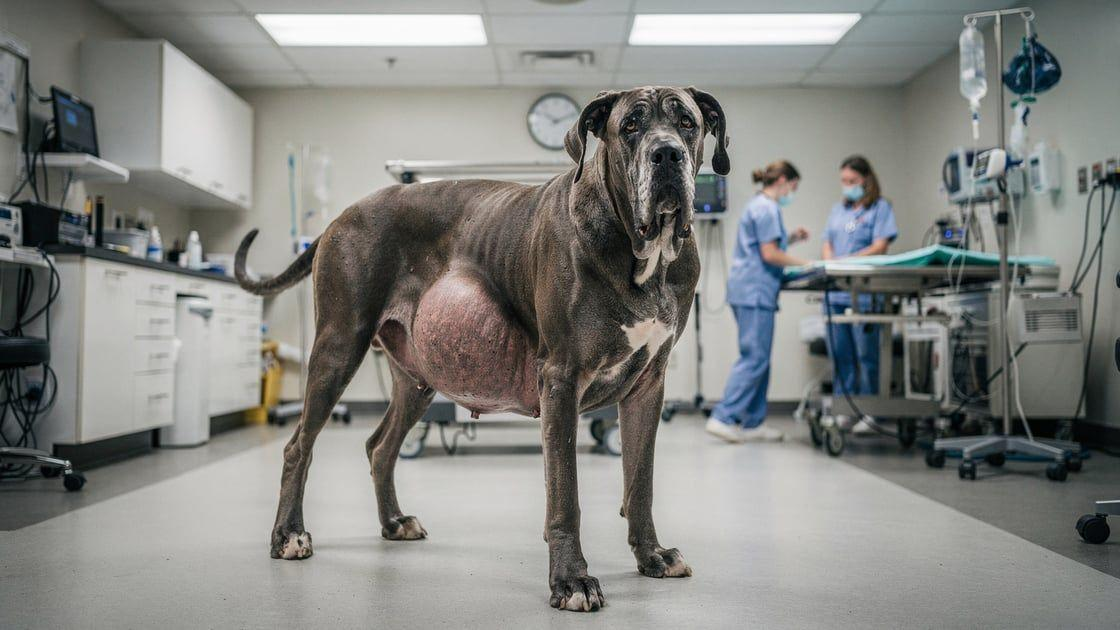
A suddenly enlarged, tight abdomen combined with restlessness, drooling or repeated retching without producing vomit may signal gastric dilatation-volvulus (GDV), commonly called bloat. This condition can become fatal rapidly, especially in large, deep-chested dogs.
What to do: Go to an emergency veterinary hospital immediately. Do not wait for the belly to become larger.
4. Seizures, collapse or sudden disorientation

Uncontrolled shaking, loss of consciousness, sudden inability to stand, staggering or severe confusion can indicate a neurological problem, poisoning or another critical condition.
What to do: Move nearby hazards away from your pet, time any seizure and keep your hands away from the mouth. Seek immediate veterinary guidance, especially for a first seizure, prolonged seizure or repeated seizures.
5. Uncontrolled bleeding or major injury

Deep wounds, bleeding that will not stop, suspected broken bones, being hit by a vehicle or a serious fall require urgent attention. Internal injuries may be present even when there is little visible blood.
What to do: Apply gentle, steady pressure to an external bleeding wound with clean gauze or cloth, if safe, and seek emergency care. Avoid manipulating suspected fractures.
6. Pale, white, blue or gray gums
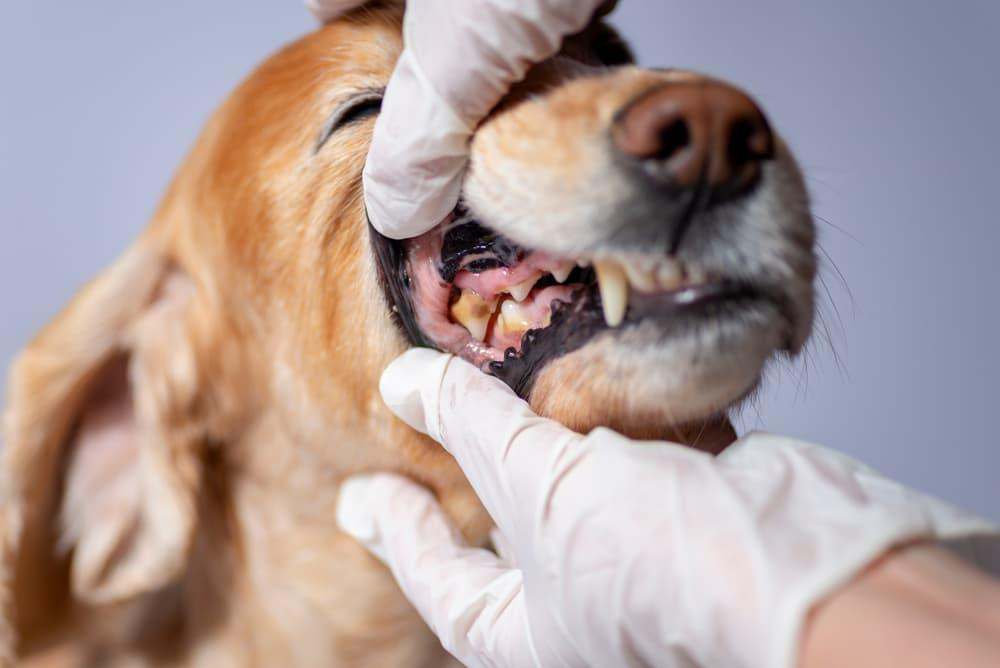
Healthy gums are generally pink, although normal pigmentation varies. Gums that suddenly become very pale, white, blue or gray can indicate shock, poor circulation or inadequate oxygen delivery.
What to do: Treat this as an emergency, particularly if your pet is weak, breathing abnormally or collapsing.
7. Suspected poisoning
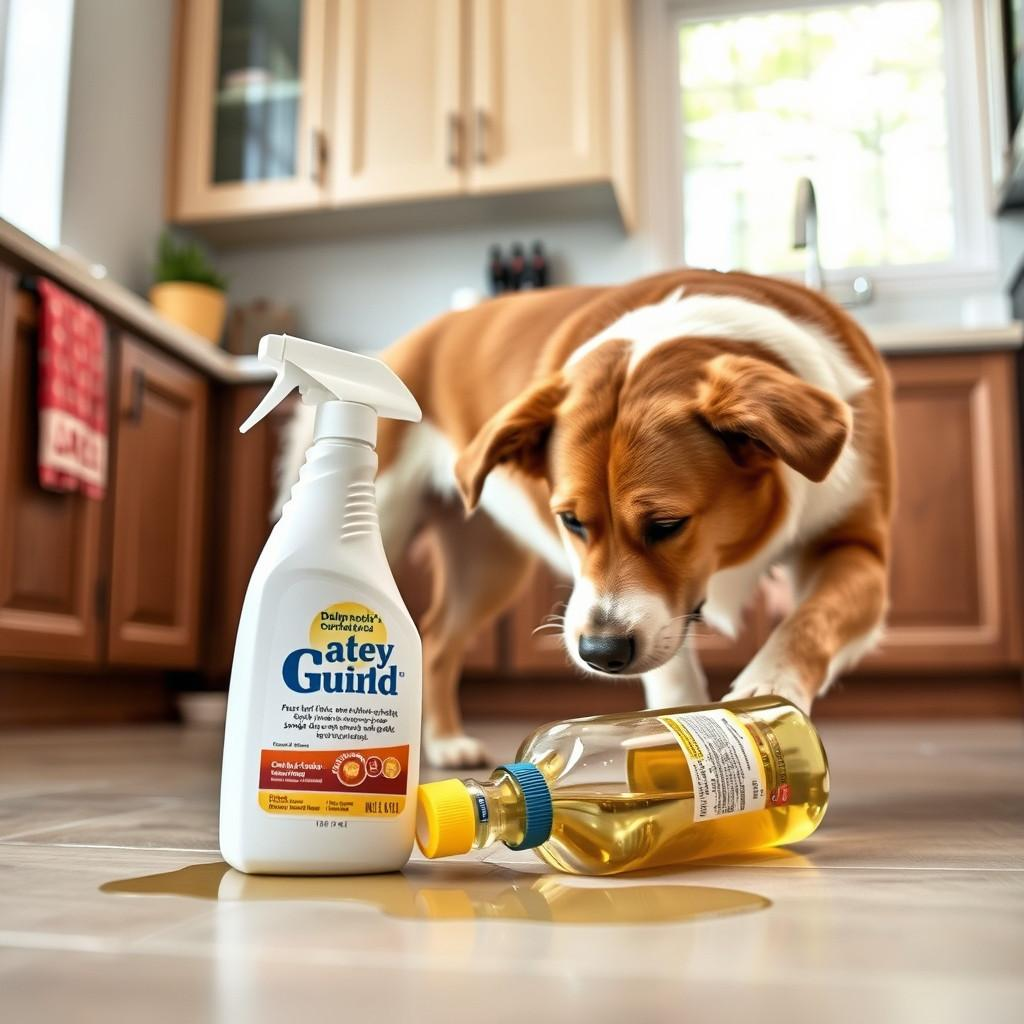
Chocolate, xylitol-containing products, human medications, rodenticides, antifreeze and certain plants can poison pets. Some toxins cause serious damage before obvious symptoms develop.
What to do: Call your veterinarian or an animal poison control service immediately. Do not induce vomiting unless a veterinary professional specifically instructs you to do so. Keep the packaging or a photo of the suspected substance.
8. Straining to urinate — especially in cats

Repeated litter-box visits, crying while trying to urinate, passing only drops or producing no urine can signal a urinary blockage. Male cats are particularly at risk, and a complete blockage can become fatal.
What to do: Seek immediate veterinary care if your cat cannot pass urine. Do not assume your cat is constipated or wait until morning.
9. Signs of heatstroke

Heavy, persistent panting, thick drool, weakness, wobbliness, vomiting, confusion or collapse after heat exposure can indicate heatstroke. Dogs with flat faces, overweight pets and senior animals may be especially vulnerable.
What to do: Move your pet to a cool area, begin gently cooling with cool—not ice-cold—water, and contact an emergency veterinarian immediately. Do not delay transport while trying to cool your pet completely.
10. Sudden severe pain or inability to walk

Take medication details, packaging from suspected toxins, and notes about when symptoms began.
Remember: You do not need to identify the illness yourself. If your pet has any of these serious warning signs, don't wait to see whether things improve. Contact a veterinary professional immediately.
Parting message:
To all you pet parents and pet professionals who live anywhere in the world, we invite you to check out our four-legged Pet First Aid 4U teaching team of Pet Safety Cat Casey plus Pet Safety Dogs Kona and Nova 6 Toes. Please enroll in one of our classes as we make the learning practical and fun.
We offer three options for you to earn veterinarian-approved two-year certificates in our pet first aid/CPR programs:
In-person classes primarily aimed at pet professionals and first responders.
Interactive via ZOOM classes offered monthly and on demand
Self-paced online classes for those wishing to learn anytime, anywhere.
Pick the best option for you and sign up today!
About the Author:
Arden Moore, founder of Pet First Aid 4 U, is a Master Pet First Aid/CPR Instructor who teaches veterinarian-approved, hands-on safety courses alongside her teaching team of Kona (dog), Nova (dog) and Casey (cat). Known as “The Pet First Aid & Safety Coach™,” Arden is also a nationally recognized behavior consultant, bestselling author of over 25 pet books , and the award-winning host of the “Oh Behave!” podcast, a Fear Free Certified Professional, she brings decades of pet expertise to all her endeavors — with a mission to help pets live safer, longer and healthier lives.