What the Color of Your Pet’s Gums Reveal
Unfortunately, our dogs and cats can’t tell us if they don’t feel well. But one quick way to assess your pet’s health is to look at the color of the gums. Healthy gums are bubblegum pink. If the gums are not that color, that signals something is not normal.
Yep, gums can change to red, blue, yellow and off white. What color means what?
Decoding Gum Colors in Pets
In my pet first aid/CPR classes, we play the Gum Game to help pet parents and pet professionals remember what the color of gums mean. One student will guess the answer, followed by another repeating that answer. Why? When you say it and when you hear someone else say it, the information sticks with you.
Ready? Let’s run down the gum colors and what the hues can possibly mean.
Bubblegum pink – Flip the upper lip on your dog or cat and hopefully, the gums will be this color. This means everything in the body is a-humming. Oxygen levels are good and the blood is circulating nicely.
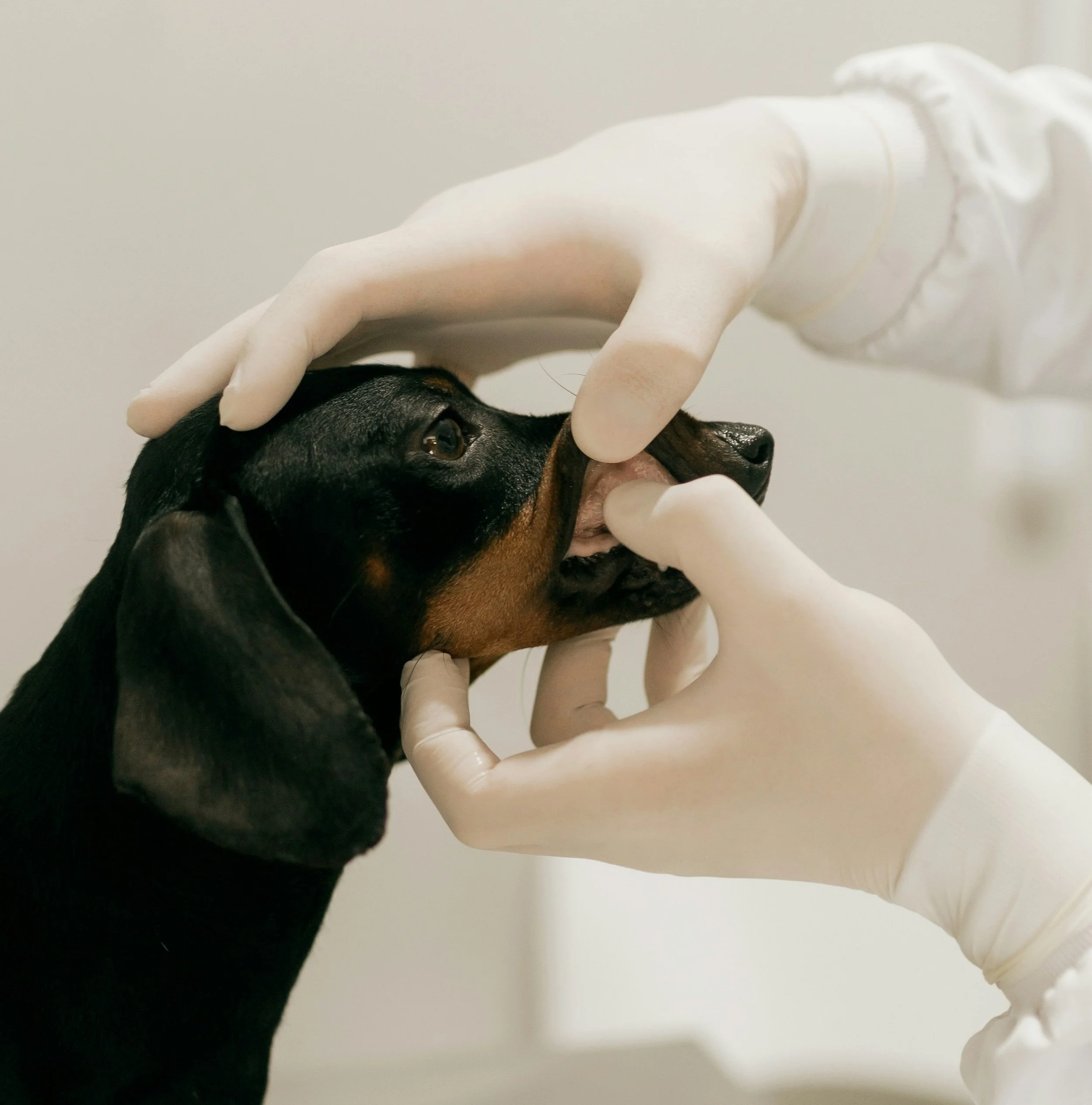
Sometimes, the gums may be pink but feel sticky to the touch. This is an early warning that your pet is dehydrated and needs water immediately.
If the gums are not pink, promptly contact your veterinarian. Every minute can count in a pet health situation. If possible, quickly also take a photo of the miscolored gums and email or text the image to the vet team.
Here come the other gum colors:
Red gums - This color can signal the dog or cat is overheated or suffering from heatstroke, ate a toxin or is dealing with a severe infection that warrants immediate veterinary care.
Yellow gums – This hue generally signals the pet is coping with liver issues. You may also notice that the whites of their eyes or their bellies are also sporting yellowish colors. Again, this is a serious pet emergency.
Blue gums – Pets sporting this color are coping with breathing issues, not getting enough oxygen or facing a serious heart condition. Also, they may be facing hypothermia if they have been exposed to cold temperatures. Again, blue gums signal a life-threatening emergency.
Purple gums – This color can be triggered by a pet dealing with respiratory issues, low blood pressure or poisoning. Call ahead and get your pet to the vet clinic.
White or pale gums – The main three potential causes for this gum color change include shock, anemia and internal bleeding. Again, all are life-threatening situations. Call your vet and get your pet to the clinic immediately.
Final Tip:
Show your cat and dog how much you care for them by enrolling in one of our Pet First Aid 4U classes. We offer three options for you to earn veterinarian-approved two-year certificates in our pet first aid/CPR programs:
In-person classes primarily aimed at pet professionals and first responders.
Interactive via ZOOM classes offered monthly and on demand
Self-paced online classes for those wishing to learn anytime, anywhere.
Pick the best option for you and sign up today!
About the Author:
Arden Moore, founder of Pet First Aid 4 U, is a Master Pet First Aid/CPR Instructor who teaches veterinarian-approved, hands-on safety courses alongside her teaching team of Kona (dog) and Casey (cat). Known as “The Pet First Aid & Safety Coach,” Arden is also a nationally recognized behavior consultant, bestselling author of over 25 pet books, andthe award-winning host of the “Oh Behave!” podcast. A Fear Free Certified Professional, she brings decades of pet expertise to all her endeavors — with a mission to help pets live safer, longer and healthier lives.